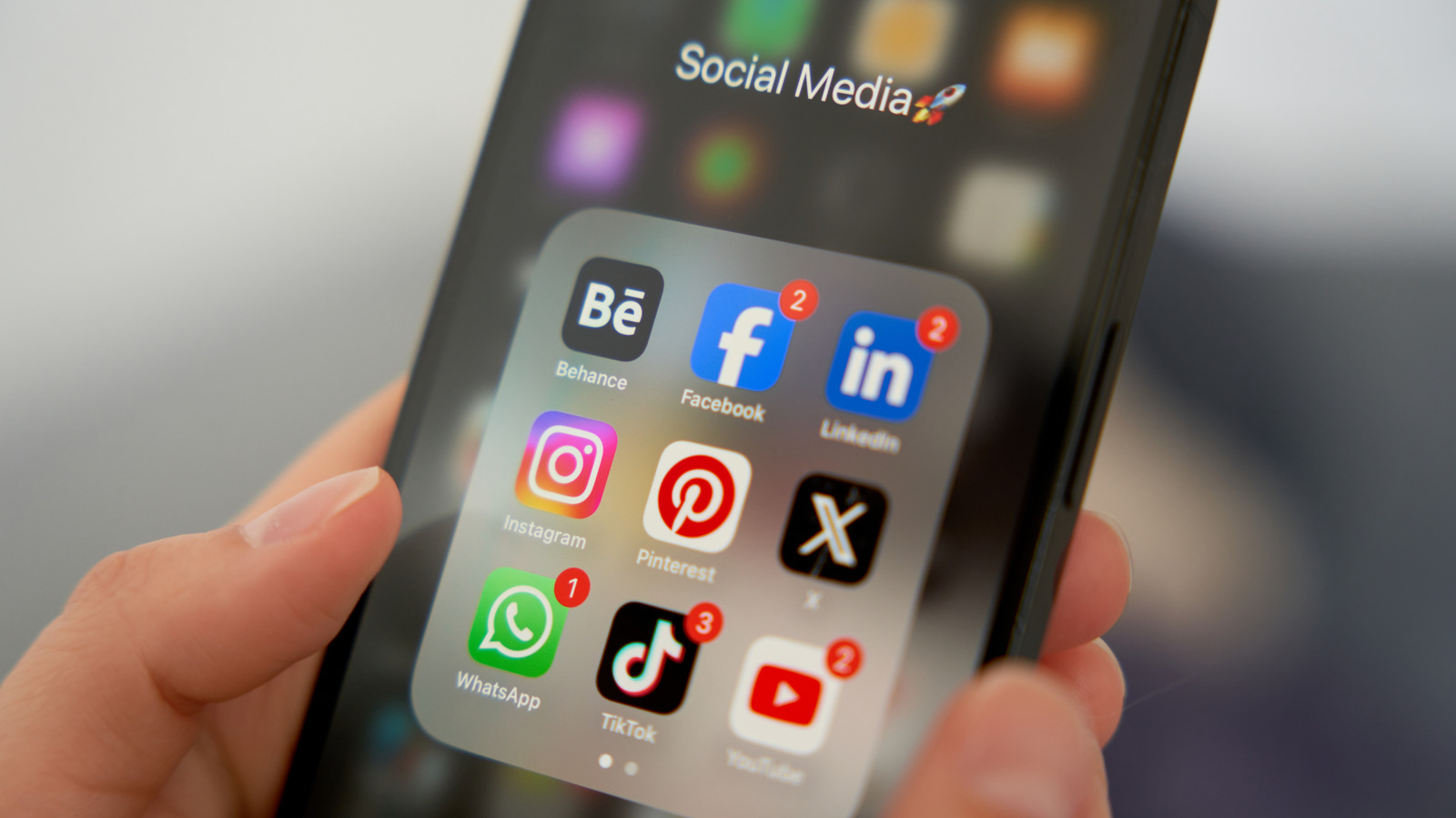
Occasionally skipping app updates is common for smartphone users, often due to low storage space or concern that updates may alter familiar features. Both Android and iOS allow users to manage automatic updates, making them optional. However, avoiding updates can leave devices vulnerable to security risks and may prevent users from accessing important enhancements and new interface features.
Read More
If users delay updates for too long, they risk compromising their data security. Approximately 324 million smartphone users are projected in the U.S. by 2026, highlighting the importance of maintaining device safety. The Cybersecurity & Infrastructure Security Agency advises users to install updates promptly to mitigate risks associated with outdated apps, particularly those that handle sensitive information like login credentials, messages, and media files.
In addition to updating apps, keeping the operating system current is crucial. Security agencies have identified outdated systems as prime targets for malware, such as the Coruna exploit kit affecting older iPhones and Rafel RAT targeting outdated Android devices. Being proactive about updates can help users avoid becoming victims of cybercrime.
Older app versions may also become non-functional over time, particularly for those reliant on online infrastructures, like social media or streaming services. Developers frequently push smaller updates to maintain app performance, and neglecting these can lead to crashes or malfunctioning interfaces. If a user is experiencing issues with an app, it may be time to hit the 'Update' button.
However, an app update might require a newer version of Android or iOS that not all devices can support. In such cases, users can try clearing up storage or using web versions of apps. Ultimately, if a device cannot accommodate new security updates or common apps become inoperable, it may be an indication that an upgrade to a new phone is necessary.