This edition of the Rocket Report highlights several key developments in the space industry. A notable piece by Stephen Clark discusses the declining prospects of United Launch Alliance (ULA), co-owned by Boeing and Lockheed Martin. Once dominant in the U.S. launch market, ULA is now facing significant challenges, particularly as SpaceX and emerging startups change the landscape.
Read More
Italian launch services provider Avio reported an increase in customers seeking launch opportunities after SpaceX announced it would halt new orders for commercial Falcon 9 launches. Avio CEO Giulio Ranzo noted during a September 10 earnings call that many prospective clients turned to them for assistance. In response to some customers lobbying for financial support at the International Space Summit in Paris, Ranzo argued against subsidizing launch costs for expendable rockets, suggesting that Europe should invest in developing more competitively priced launch technologies.
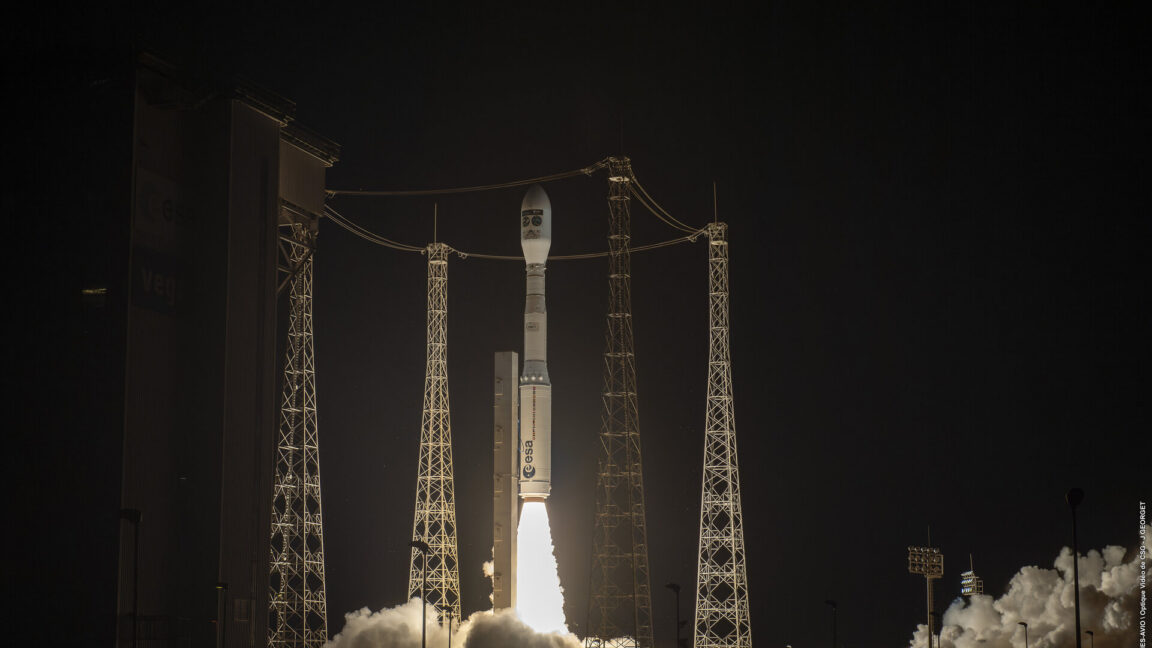
Avio's Vega C rocket successfully launched two satellites from French Guiana on Tuesday, marking the second launch of the year for the Italian-made rocket. The launch included the European Space Agency’s FLEX satellite and Copernicus Sentinel-3C, made possible by a new launch adapter called Vespa.
French startup Sirius Space Services conducted its first complete test-fire of the STAR-1 rocket engine this past Sunday at a facility in southern England. This achievement demonstrated the successful operation of all critical components of the engine, designed to produce 55 kN of thrust and intended for a family of launch vehicles.
China executed four rocket launches in just 44 hours across its Jiuquan and Hainan spaceports, showcasing the rapid growth of its commercial space industry. The missions involved rockets from commercial entities, indicating a significant shift towards operational capabilities beyond the traditional Long March fleet.
SpaceX celebrated its 700th Falcon rocket launch with a mission for SES on Sunday. This launch utilized the Falcon 9 booster, which has now flown 29 times, underscoring SpaceX's significant operational achievements. Additionally, NASA recently selected Blue Origin to develop a spacecraft for the Mars Telecommunications Network, prompting Rocket Lab to file a protest over the selection process.
Looking ahead, SpaceX is preparing for its 14th Starship mission, expected to launch as early as September 22, pending regulatory approval. The flight aims to demonstrate the rocket's capability to carry 26 V3 Starlink satellites into orbit.
Meanwhile, Space Pioneer, a Chinese startup, revealed a new engine design similar to SpaceX's Raptor 3, capable of producing 2,450 kN of thrust. Elon Musk acknowledged the complexities involved in manufacturing such advanced engines.
Lastly, NASA's Nancy Grace Roman Space Telescope is projected to exceed its expected fuel lifespan significantly, thanks to precise operational execution following its launch on a SpaceX Falcon Heavy rocket on August 30.
Upcoming launches include:
- September 19: Electron | Owl by the Dozen | Māhia Peninsula, New Zealand | 03:15 UTC
- September 19: Long March 2D | Unspecified payload | Taiyuan Satellite Launch Center, China | 10:50 UTC
- September 20: Falcon 9 | Starlink 15-27 | Vandenberg Space Force Base, Calif. | 01:47 UTC.
Eric Berger, the senior space editor at Ars Technica, covers a wide range of topics related to space exploration.